
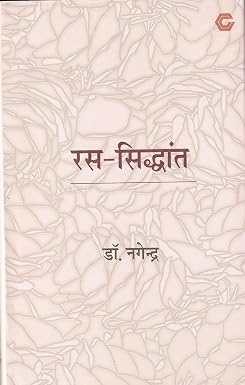
The word “Rasa” means essence, taste, or emotional flavor. In Indian aesthetics, it refers to the emotional experience that a viewer or reader feels when engaging with a piece of art.
According to Bharata Muni in the Natyashastra, art is not just about storytelling—it is about creating a deep emotional experience in the audience.
The 9 Main Rasas
The theory describes nine primary emotions:
- Shringara – love and beauty
- Hasya – humor and laughter
- Karuna – sadness and compassion
- Raudra – anger
- Veera – courage
- Bhayanaka – fear
- Bibhatsa – disgust
- Adbhuta – wonder
- Shanta – peace
How Rasa is Created
Rasa is formed when three elements combine:
- Vibhava (cause or situation) – the reason for emotion
- Anubhava (expression) – how the emotion is shown
- Vyabhichari Bhava (supporting feelings) – temporary emotions that enhance the main feeling
When these come together in acting, dance, poetry, or storytelling, the audience experiences Rasa.
Importance
The Theory of Rasa is important because it explains:
- Why we emotionally connect with stories
- How classical Indian theatre and dance communicate feelings
- The purpose of art as emotional experience, not just entertainment
In simple terms, Rasa Theory says:
Art is successful when it makes the audience feel something deeply, not just understand the story.



Reviews
There are no reviews yet.